
🔄
Which valve is better, Presta or Schrader? – Sports Engineer

Which Valve Is Better, Presta or Schrader?

By Colin Morgan

Valve width, pressure capacity, and pump compatibility can make or break your ride. Content writer Colin Morgan breaks down the key differences between Presta and Schrader valves, comparing both systems to help you find the right fit for your bike type and riding style.

When buying a bicycle, replacing inner tubes, or choosing a bike pump, many cyclists eventually ask the same question: which valve is better, Presta or Schrader? Both valve types are widely used in cycling, but they are designed for different riding styles, wheel types, and pressure requirements.

Presta and Schrader valves perform the same basic function of allowing air into the tyre while preventing it from escaping. However, their design, durability, compatibility, and inflation methods differ significantly. Choosing the better option depends on the type of bike you ride, your tyre pressure needs, and your cycling habits.

Understanding the differences between these two valve systems helps cyclists make better decisions about maintenance, pumps, and overall riding performance.

What Is a Presta Valve?

A Presta valve is a narrow, lightweight bicycle valve commonly found on road bikes, gravel bikes, and high-performance bicycles. It has a slim metal body with a small threaded locking nut at the top that controls airflow.

Presta valves are designed for higher tyre pressures and narrower rims. Because of their smaller diameter, they require a smaller hole in the wheel rim, which helps maintain rim strength.

These valves are especially popular among serious cyclists and performance-focused riders.

What Is a Schrader Valve?

A Schrader valve is wider and more robust than a Presta valve. It is the same valve type commonly used on car tyres, motorcycles, and many standard bicycles.

Schrader valves contain a spring-loaded pin inside that opens when pressed during inflation. They are commonly found on mountain bikes, hybrid bikes, commuter bicycles, BMX bikes, and children’s bikes.

Because they are widely used in the automotive industry, Schrader valves are generally easier to inflate using public air pumps and standard compressors.

Main Differences Between Presta and Schrader Valves

Although both valves serve the same purpose, several important differences separate them.

Which Valve Is Better for High Pressure?

Presta valves are generally better for high-pressure tyres. Road bikes often require tyre pressures between 80 and 130 PSI, and Presta valves handle these levels more efficiently.

Their narrow design also helps maintain airtight pressure for longer periods. This makes them ideal for racing bikes, endurance riding, and high-speed cycling.

Schrader valves can still handle moderate pressure levels effectively, but they are less commonly used on high-performance road cycling setups.

Which Valve Is Easier to Use?

For beginners, Schrader valves are usually easier and more familiar. Since they work like car tyre valves, many riders already understand how to use them.

Inflating a Schrader valve is simple:

  • Remove the valve cap
  • Attach the pump
  • Inflate the tyre
  • Remove the pump

Presta valves require extra steps, including loosening and tightening the small locking nut before and after inflation. Because of this, casual riders and beginners often find Schrader valves more convenient.

Which Valve Is Better for Road Bikes?

Presta valves are considered the standard choice for road bikes. Their slim design works well with narrow rims and lightweight wheelsets commonly used in road cycling.

Advantages of Presta valves for road bikes include:

  • Better high-pressure performance
  • Reduced wheel rim stress
  • Lower weight
  • Improved compatibility with performance wheels

Most modern road bikes use Presta valves almost exclusively.

Which Valve Is Better for Mountain Bikes?

Both valve types can work on mountain bikes, but Schrader valves are more commonly found on entry-level and recreational mountain bikes.

Schrader valves are often preferred for off-road riding because:

  • They are stronger and more durable
  • They resist bending more effectively
  • They are easier to inflate at fuel stations or public air pumps

However, many higher-end mountain bikes now also use Presta valves because of tubeless compatibility and performance advantages.

Pump Compatibility Differences

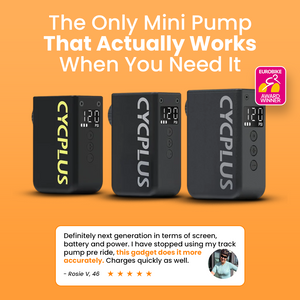
Pump compatibility is one of the biggest practical differences between these valves. If you bought our Cycplus AS2 Pro Max then you will know that it is compatible with both valves. Lots of new hand and electric pumps are typically compatible with both but it is worth taking an extra look.

Presta Valve Pumps

Presta valves require compatible bike pumps or adapters. Most modern bicycle pumps support both valve types, but older or cheaper pumps may not.

Schrader Valve Pumps

Schrader valves are much more universally compatible. They work with:

  • Standard bike pumps
  • Car tyre inflators
  • Air compressors
  • Fuel station air pumps

This makes Schrader valves more convenient for casual riders.

Durability Comparison

Schrader valves are generally more durable because of their thicker construction. Their wider design makes them less likely to bend or break during inflation.

Presta valves are thinner and more delicate. Improper pump removal or rough handling can bend the valve stem more easily.

However, with proper care, Presta valves remain highly reliable for long-term cycling use.

Tubeless Compatibility

Tubeless tyre systems have become increasingly popular in cycling, especially for gravel and mountain biking.

Presta valves are more commonly used in tubeless setups because:

  • They seal more effectively
  • They fit narrow rims better
  • They support higher pressure precision

Most tubeless-ready wheels are designed primarily around Presta valves.

Weight and Performance Considerations

For performance-focused cyclists, even small weight savings matter. Presta valves are lighter and more aerodynamic due to their slimmer shape.

Although the weight difference is small, competitive riders often prefer Presta valves for every possible performance advantage.

For casual commuting or recreational riding, the difference is usually negligible.

Which Valve Is Better for Beginners?

Schrader valves are often the better option for beginner cyclists because they are:

  • Easier to inflate
  • More familiar
  • More durable
  • Compatible with public air pumps

New riders usually find Schrader valves simpler to maintain without needing special adapters or pump knowledge.

Which Valve Is Better Overall?

There is no single universal answer because both valve types are designed for different purposes.

Presta Valves Are Better For:

  • Road bikes
  • High-pressure tyres
  • Lightweight performance riding
  • Tubeless systems
  • Competitive cycling

Schrader Valves Are Better For:

  • Casual commuting
  • Mountain bikes
  • Beginner cyclists
  • Everyday convenience
  • Easy pump compatibility

The better choice depends entirely on your riding style and bike type.

Conclusion

So, which valve is better: Presta or Schrader? Presta valves are generally better for high-performance cycling, lightweight wheels, and high-pressure tyres, while Schrader valves offer greater durability, simplicity, and universal compatibility.

For road cyclists and serious riders, Presta valves are usually the preferred option because of their efficiency and performance advantages. For commuters, casual cyclists, and beginners, Schrader valves often provide a more practical and user-friendly experience.

Both valve types are reliable when used correctly, and modern bike pumps increasingly support both systems. Understanding their differences simply helps you choose the valve that best matches your cycling needs and riding habits.

Don't forget to check out our other popular articles such as our best electric bike pumps buyers guide and the best gps bike computers.

Our test promise

At Sports Engineer UK, we are proudly independent. There's no pressure to please advertisers, our reviews are funded by our passion for the sport. Our cycling guides aren't press releases; they're written by experienced cyclists after thorough research and testing.

Further reading

How to Pump a Flat Tubeless Tyre: A Comprehensive Guide

Cycplus AS2 Ultra vs AS2 Pro: Don’t Buy Until You Read This 2026 Guide

How to Use an Electric Bike Pump: Step-By-Step Guide

Best Bike Inner Tubes in 2026 for Every Budget