
🔄
How Do Electric Bike Pumps Work? – Sports Engineer

How Do Electric Bike Pumps Work?

By Colin Morgan

Most cyclists are surprised to learn their old hand pump is now practically obsolete. Content writer Colin Morgan breaks down exactly how electric bike pumps work, from the motor and pressure sensors inside, to choosing the right PSI for your ride, and why more cyclists are making the switch.

Cycling technology has changed significantly over the years, and modern accessories are making bike maintenance easier than ever. One product that has become increasingly popular among cyclists is the electric bike pump. Whether you are a daily commuter, road cyclist, mountain biker, or casual rider, these compact devices offer a faster and more convenient alternative to traditional hand pumps.

Many cyclists still wonder, “How do electric bike pumps work?” because they appear much more advanced than standard manual pumps. Instead of relying on physical effort, electric bike pumps use battery-powered motors and automated pressure systems to inflate tyres quickly and accurately.

Understanding how these devices function can help riders choose the right model and use it more effectively. From rechargeable batteries to digital pressure controls, electric bike pumps combine convenience and smart technology into a compact portable tool.

What Is an Electric Bike Pump?

An electric bike pump is a portable air compressor designed specifically for inflating bicycle tyres. Unlike manual pumps that require repetitive hand pumping, electric versions automate the inflation process using a motorized air compression system.

Most electric bike pumps are lightweight and rechargeable, making them easy to carry during rides or store at home. Many modern models also include digital displays, automatic shut-off systems, pressure monitoring, and compatibility with multiple valve types.

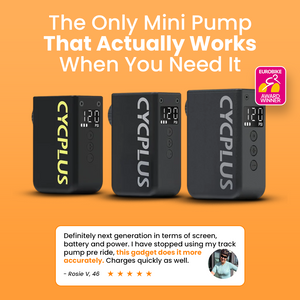
Cyclists often choose electric bike pumps such as the Cycplus AS2 Pro Max because they save time, reduce effort, and provide more accurate tyre pressure compared to traditional pumps.

How Do Electric Bike Pumps Work?

The basic working principle behind electric bike pumps is relatively simple. The device uses a small electric motor to power an internal air compressor. Once connected to the tyre valve, the pump draws in air and compresses it into the tyre at the selected pressure level.

Most electric bike pumps follow a similar operating process:

  • The rider attaches the pump nozzle to the tyre valve.
  • The desired PSI level is selected using digital controls.
  • The motor activates and begins compressing air.
  • Air flows into the tyre until the target pressure is reached.
  • The pump automatically stops once inflation is complete.

This automated process eliminates the physical effort required with manual pumps and allows riders to achieve more precise tyre pressure settings.

Main Components Inside Electric Bike Pumps

To better understand “how electric bike pumps work”, it helps to look at the key internal components that make these devices function efficiently.

Motor System

The electric motor is the core of the pump. It powers the air compression mechanism that pushes air into the tyre. Stronger motors generally provide faster inflation and better performance for larger tyres.

Air Compressor

The compressor is responsible for drawing in and compressing air. It increases air pressure before delivering it into the tyre through the hose or nozzle.

Rechargeable Battery

Most portable electric bike pumps use lithium-ion rechargeable batteries. These batteries provide cordless operation and allow riders to carry the pump during commutes or long-distance rides.

Pressure Sensor

Built-in pressure sensors monitor tyre pressure in real time. This allows the pump to inflate tyres accurately according to the selected PSI level.

Digital Display

Many modern pumps feature LED or LCD screens that display current tyre pressure, battery levels, and selected inflation settings.

Auto Shut-Off Technology

Auto shut-off systems stop the pump automatically once the desired pressure is reached. This prevents overinflation and improves safety.

Why Accurate Tyre Pressure Matters

Tyre pressure plays a major role in cycling performance, comfort, and safety. Electric bike pumps help riders maintain consistent pressure more easily than manual pumps.

Correct tyre pressure provides several important advantages:

  • Better Riding Efficiency: Proper inflation reduces rolling resistance and makes cycling smoother.
  • Improved Comfort: Balanced tyre pressure absorbs bumps and vibrations more effectively.
  • Enhanced Safety: Correctly inflated tyres improve braking, cornering, and bike handling.

Longer Tyre Lifespan: Maintaining recommended PSI levels helps reduce uneven wear and puncture risks.

Because electric bike pumps offer precise digital pressure control, they are especially useful for cyclists who want reliable tyre performance.

Valve Compatibility in Electric Bike Pumps

One reason many cyclists ask, “How do electric bike pumps work?” is because they are unsure whether these pumps support different valve types.

Most of the top rated electric bike pumps are designed to work with the two most common bicycle valve systems:

  • Schrader Valves: Common on mountain bikes, hybrid bikes, and children’s bikes.
  • Presta Valves: Frequently used on road bikes and performance bicycles.

Whether its a Presta or a Schrader valve, many pumps include interchangeable nozzles or adapters to support both valve types. Some models also support Dunlop valves with additional accessories.

Benefits of Using Electric Bike Pumps

Electric bike pumps offer several practical benefits for both casual and regular cyclists.

Are Electric Bike Pumps Suitable for All Bikes?

Most modern electric bike pumps work effectively with road bikes, mountain bikes, hybrid bikes, e-bikes, and commuter bicycles. However, performance may vary depending on tyre size and pressure requirements.

Smaller portable pumps may take longer to inflate large fat bike tyres or high-volume e-bike tyres. Similarly, road cyclists should ensure the pump can reach higher PSI levels if needed. Some tyres may have a TPU inner tube which might not be suitable with the pump.

Checking the pump’s maximum pressure rating and valve compatibility before purchase is always recommended.

Tips for Using Electric Bike Pumps Properly

Using an electric bike pump correctly improves both performance and durability.

  • Charge the Battery Regularly: Keeping the pump fully charged ensures it is ready during emergencies.
  • Check Valve Connections: Secure valve attachment prevents air leakage during inflation.
  • Avoid Overheating: Allow compact pumps to cool down after inflating multiple tyres continuously.
  • Use Recommended PSI Levels: Follow the tyre manufacturer’s pressure guidelines for optimal performance.

Store Safely: Keep the pump away from moisture, dust, and extreme temperatures.

Final Thoughts

So, how do electric bike pumps work? They use battery-powered motors and compact air compressors to inflate bicycle tyres automatically with minimal effort from the rider. By combining digital pressure controls, rechargeable batteries, and automated shut-off systems, these devices provide a faster and more convenient alternative to traditional hand pumps.

Electric bike pumps are especially useful for commuters, road cyclists, and riders who regularly maintain tyre pressure for performance and safety. Their portability, accuracy, and ease of use continue to make them one of the most valuable modern cycling accessories.

As cycling technology advances, electric bike pumps are becoming smaller, smarter, and more efficient, making tyre maintenance easier for riders of all experience levels.

Our test promise

At Sports Engineer UK, we are proudly independent. There's no pressure to please advertisers, our reviews are funded by our passion for the sport. Our cycling guides aren't press releases; they're written by experienced cyclists after thorough research and testing.

Further reading

How to Pump a Flat Tubeless Tyre: A Comprehensive Guide

Cycplus AS2 Ultra vs AS2 Pro: Don’t Buy Until You Read This 2026 Guide

How to Use an Electric Bike Pump: Step-By-Step Guide

Best Bike Inner Tubes in 2026 for Every Budget